
Asset Management in Renewable Energy: Investing whilst the Elements are on your side
We regularly talk with Clients about doing work on their systems. Sometimes this is because something is broken, sometimes it’s work that could be done to improve performance or it’s to stop something breaking in the future. We engineers like to call this “Asset Management”. It can be reactive (not good) or proactive (better).
We look after some 70-80 individual assets. We tend to find it’s clearer when something is broken: it’s obvious it needs to be fixed. The challenge is if this is an aging asset where replacement parts aren’t quickly available (we discussed this previously), or if you don’t know that a part needs to be replaced, then you have lost revenue due to downtime, costing from £60 per day to one site that’s probably in excess of £3,000 a day. We all want to avoid getting to this point.
Should you go with proactive Renewables Asset Management?
And so the dilemma arises when discussing works that are proactive, because perhaps it doesn’t seem from the outside that there is something that needs fixing, which is understandable.
For example, if the pipe on a hydro is fouling, and the Client loses 5% pipeline efficiency, then at higher powers that’s 5% of your production. And on that big site we used as an example above, that’s costing the Client £150 a day or £4,500 per month. When you look at it like that, is the investment in pigging worth it?
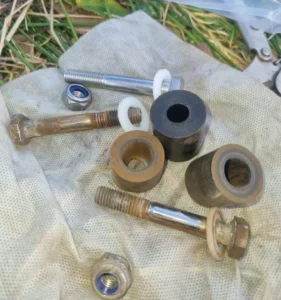
What about regularly replacing the yaw rollers on a turbine? It costs less than £100 for the parts to be fitted during routine maintenance. However, if the turbine can’t freely swing into the wind the blades keep turning but the turbine isn’t producing the power it should be.
Or solar panels. Perhaps they aren’t broken but they are covered in bird poo.
Lost revenue in these situations isn’t immediately visible.
What else should you consider when it comes to renewables asset management?
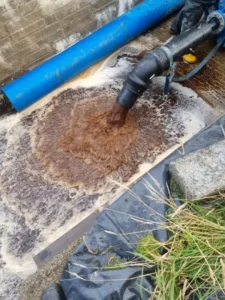
There are other factors too. Fitting safer valve works so you don’t need to flush a pipe open-ended, and then realising you’ve lost half your parking area into the burn because you put more water in the top than you thought and can’t control it coming out the bottom. Aside from the cost of replacement chuckies from “your local quarrying firm”, which are more expensive than gold nuggets at the moment, you also might find you’ve got a visit from SEPA for a pollution release in the river.
For some sites, their feed-in tariffs are ending soon. Firstly, that tells you your site is almost 20 years old and has done well, but also that you should now be thinking about what that loss in revenue means to you when it comes:
- Is your asset in its best possible condition as you run through those remaining higher revenue earning years?
- Should you make any investment when times are good, rather than when exports are your only revenue source, or offset of consumption if you were a win (FIT)/win (Offset)/ winner (Export)?
These are all practical and real decisions, and we appreciate that everyone has priorities: that’s just the real world.
Good prioritising needs good information. We can help make sure you have all the evidence about to make that call.